- Shiny Thing$
- Posts
- They Stole Joy.


They’re stealing [physical] joy - and with it, your memories.
Rob Petrozzo, for Rally
· · · · · · · ·
As of April 10th, 29 European countries announced that are doing away with passport stamps, replacing the familiar 100+ yr old physical record of the places we’ve been with a digital system of biometric scans (fingerprints and facial images).
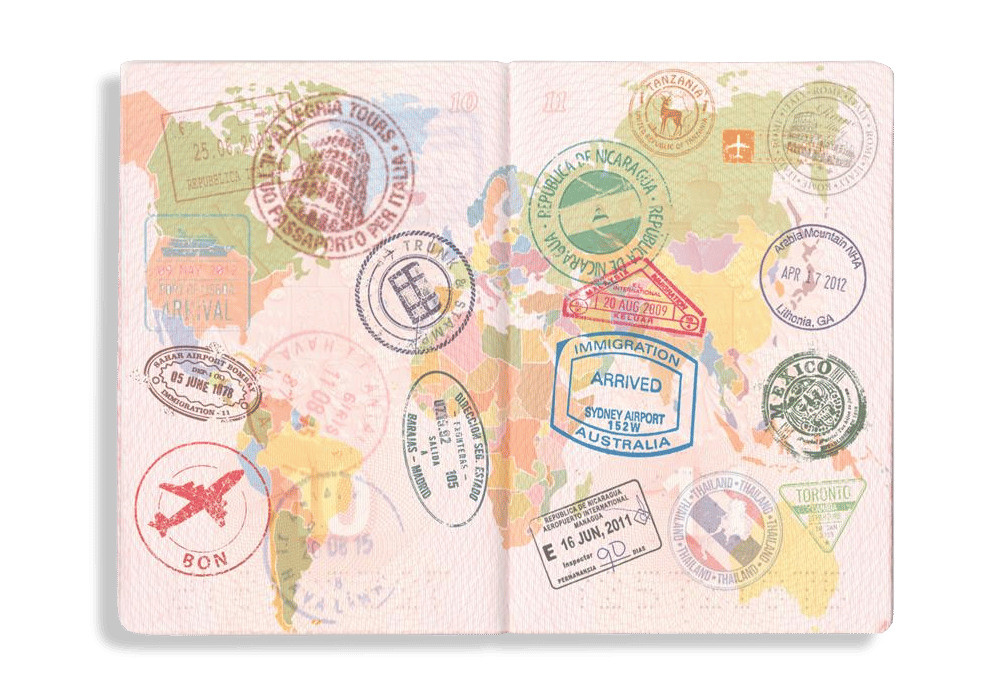
The case the higher-ups make for going digital is always the same - a mix of “enhanced security” and reducing wait times. “Efficiency” as the transcripts of every quarterly conference call will read… but even in a money-saving process there’s an inherent cost, which in this case is the reduction of history and the blandification of modern life.
Crown molding is turning to 90 degree corners. Solid marble and ornate stone are turning to concrete and cold steel. And passport stamps - an analog art form that goes all the way back to the Middle Ages - will now live next to your credit card in Apple Pay as we advance further into the dystopian cloud-based system of “you’ll own nothing, and be happy.”
It all falls under the same banner: optimization. It’s led by fewer frictions, and fewer interactions, and fewer humans, but gets framed as productivity, driven more often than not by the obvious corporate math problem of making more $$ with less spend.
I can’t fully explain why getting rid of passport stamps feels different than the digitization of everything else (and what, in many cases, has led to more collectibility of the remaining physical pieces), but it does. Maybe because it feels like a global line in the sand at scale. Not just in a product or a platform, but in something personal and ritualistic that they want to take from us.
In this instance, it feels like form is being sacrificed for the sake of function more than any other shift to digital that we’ve seen in recent history. There’s an overwhelming sense that the world, especially the parts of it that have long traded on history, is becoming more comfortable letting go of the physical in favor of (forced) convenience. Which to me, feels like replacing history with modern-nostalgia - the instagram kind, not the real kind.
It’s corporations stealing the physical joy of memories and convincing us that we’re just old and outdated if we don’t agree to it - not to mention, they’ll make it really hard for you to participate if you don’t.
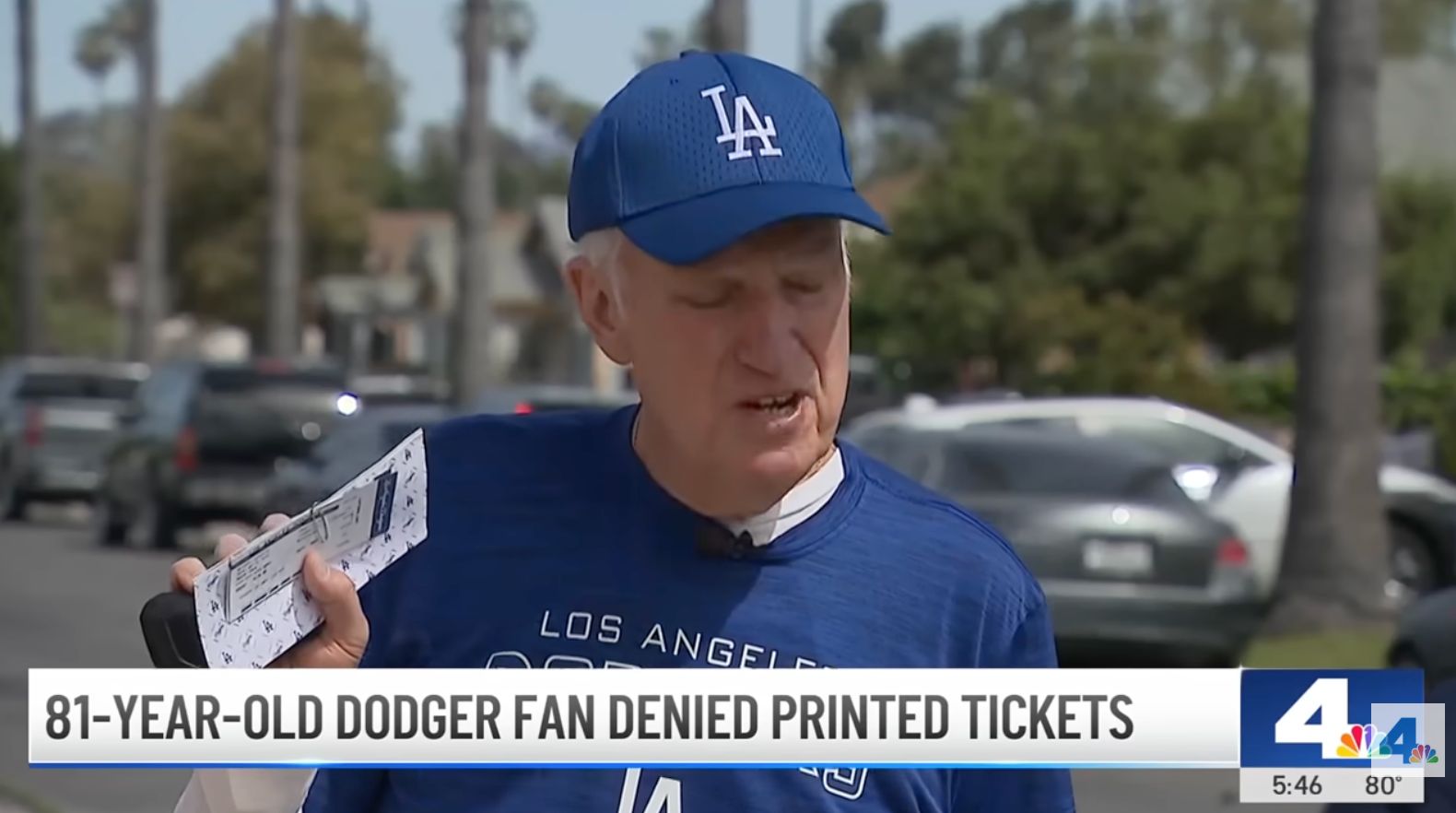
81 year old lifelong Dodger fan and season ticket holder for over 50 years, Errol Segal, was told this season he would no longer be issued physical tickets - he does not know how to use a computer and does not own a smartphone, so digital tickets are not an option.
Part of what makes this switch a bit more indicative of the global future is that Europe doesn’t typically just throw away history. In 2011ish, before Uber was everywhere, I remember making a contactless payment in a cab in London by touching my credit card to a screen. It was a bit of a shock at the time, and it was instantly clear to me that this would become the norm in the US very very soon.
That said, that cab-ride took me through streets and between buildings that have been largely untouched since the 10th and 11th century - buildings and history that predate the idea of modernity itself. A densely populated city with structures that bear no resemblance to the glass canopy that exists here in New York City as I look out my window typing this newsletter.👇
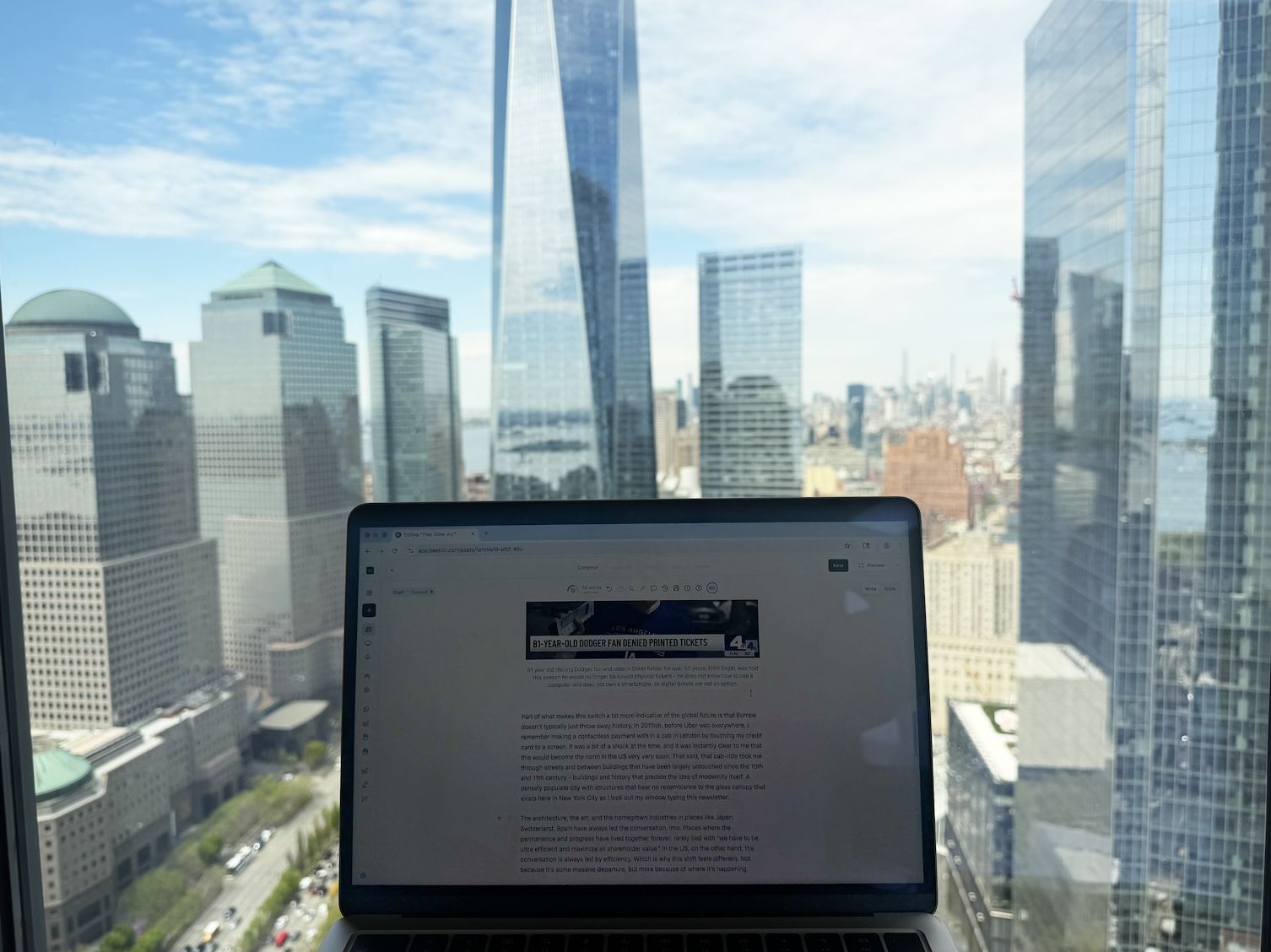
Typing this sentence, in real-time, inside of and surrounded by efficient buildings
The architecture, the art, and the homegrown creativity in places like Japan, Switzerland, and Spain have always led the conversation, in my opinion. Places where the permanence and progress have lived together forever, rarely tied with “we have to be ultra efficient and maximize shareholder value at each step.” In the US, on the other hand, the conversation is nearly always led by efficiency. Which is why this shift feels different. It’s not because it’s some massive departure from where the future was already headed, but more because of where it’s happening.
The collectible nature of all things is what’s at stake.
They took physical music and books away from us in the 2000s, but that wasn’t a be-all-end-all… The hardcover novels and vinyl are still available, and the digitization of those objects actually wound up creating super connected cultures of collecting by those trying to maintain the feeling. The digital layer basically gave people more ways to discover, and then what followed was a stronger desire to own (vinyl records in particular are in the middle of a historic resurgence, with U.S. vinyl album revenue surpassing $1B in sales for the first time in decades this past year).
Those physical items intended for entertainment that disappeared and were replaced with more efficient modes of consumption didn’t shock their systems though…
When sports and concert tickets disappeared, it was different.
Accelerated by COVID, ticketing went digital-first and it was like a clean break. They are now almost entirely gone, and there is very little to suggest that the digital ticketing process is either quicker, more efficient, or cheaper for the consumer. Quite the opposite actually - data has shown that one of the reasons event prices have skyrocketed over the last decade is that the digitization, which enables dynamic demand-based pricing and easier access for scalpers, has been part of the fuel for a massive, mostly unregulated, resale market.
It “worked,” and that was the tell for where we were inevitably headed. It was the moment memories started to detach from objects. The physical companion for the memory was no longer important to the people (the companies) that essentially “seed” those memories to us (the customer).
I mean, why would the physical proof-of-experience matter to the people manufacturing that experience? Instagram and TikTok are better user acquisition funnels than a physical memento anyway, right?
Maybe not.
There are pockets of resistance preaching that same theory that physical artifacts can be a retention tool as much as they are an object. The team at Cllct is having success bringing physical tickets back into the conversation, working with teams and leagues to reintroduce something tangible to their fanbase (which imo creates more LTV than any upsell or efficiency play). And teams still hand out bobbleheads, and trading cards, and the occasional keepsake. Though even those feel increasingly transactional, usually propped up as much by secondary market demand and resale value as by sentiment.
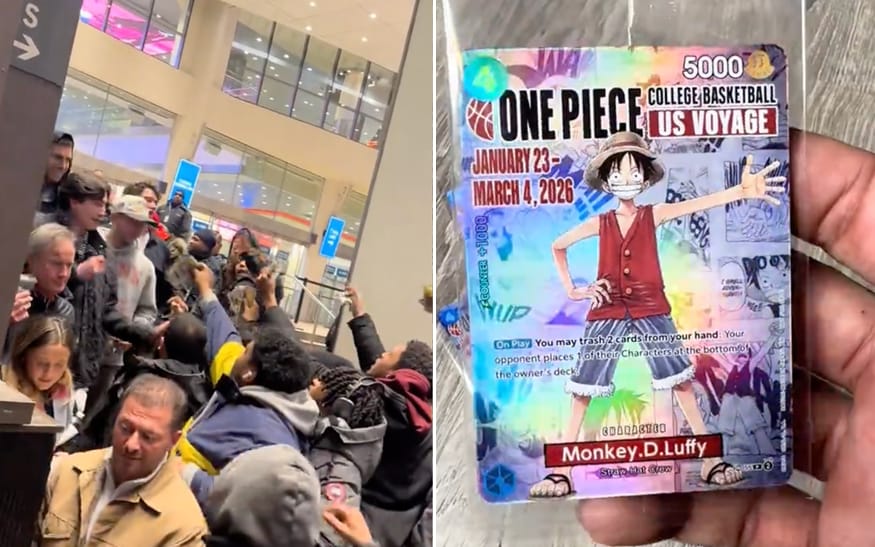
Chaos at Madison Square Garden in February after a promotional card giveaway for One Piece trading cards at a St. Johns game - with collectors and resellers paying up to $400 on the spot for the free card once supplies ran out.
So where does this rambling about what used-to-be lead…
The farther a product or service drifts from the mean and into extremes, the more forceful its eventual snap back to baseline tends to be. I believe that reversion is inevitable.
I’m from a millennial generation that lived through the transition from analog to digital, so I feel like I was lucky to see the benefit of both and I enjoy the convenience of the future. That said, I still have the ticket to Derek Jeter’s last game on my fridge. Every now and then, I see it and I’m reminded of this moment in September 2014 when an improbable set of circumstances set up Jeter to hit a walk-off opposite field single and Yankee Stadium absolutely erupted and every stranger in section 224 was hugging each other (the last time I cried in a baseball stadium, btw).
Fast forward to Tom Brady’s last Super Bowl in February of 2021, when I sat in a stadium that was only at 30% capacity because of COVID (the first Super Bowl without a physical ticket) and I’ll be honest I don’t really remember any of it, and I’m kinda pissed that I have nothing physical to show for it.
The end goal for those in charge, for the time being at least, is simple: digital is easier, faster and cheaper. There’s no spreadsheet that will ever tell a business to keep printing paper or stamping ink in a booklet one person at a time.
Whether it’s flipping through your passport to find an empty page for a new stamp, or a ticket on the fridge that sparks a story, the physical artifact matters as much as the memory itself. That’s honestly what makes the story, and us, “interesting” sometimes. The tangible evidence is part of all of our personalities.
When they take that from us, all that’s left is the transaction. Yes, its efficient, but instantly forgettable.
You take away the artifact, and with it, you also take the story. But that story being retold and shown and bragged about is still the most effective form of distribution ever created.
“You’ll own nothing, and be happy” they told us.
Even more the reason to save everything.
· · · · · · ·
Until Next Week…